

Battambang is the kind of place that doesn’t shout for your attention, it slowly steals your heart. Set among rice fields, old French villas, and sleepy riverside streets, this charming town blends history, art, and adventure in a way that feels effortlessly cool. For anyone driving their own tuk tuk across Cambodia, Battambang is that perfect stop where you can slow down, explore, and still feel like you’re in the middle of something special.
A Journey Through Time In Cambodia’s Second City
Battambang is one of Cambodia’s oldest cities, with roots stretching back to the 11th century under the Khmer Empire. Over the centuries it swapped hands between Cambodia and Thailand, and you can still feel that cultural mix in the architecture, food, and even the way people speak. The name “Battambang” means “Lost Stick,” tied to a legend of a powerful staff belonging to a ruler who lost it, supposedly giving the area magical significance.
During the French colonial period, Battambang boomed as a rice market town, and many of the shop-houses and villas from that era still line the streets. Today, it’s a peaceful riverside city with a local vibe, where monks walk barefoot at sunrise, markets wake up early, and life moves at a soothing, tuk tuk friendly pace.
Interesting Facts That Make Battambang Unique
Battambang is often called Cambodia’s “rice bowl” thanks to its lush countryside and rice production, which helps feed the country. The city itself is known for having some of the best-preserved French colonial buildings in Cambodia, many of which now house cafés, art galleries, and boutique stays.
The town has become a magnet for artists, NGOs, and creatives, turning old spaces into studios and performance venues. You’ll find quirky murals, community art projects, and small independent galleries tucked into side streets. Battambang also has a strong connection to performing arts and circus culture, making it one of the most creative corners of Cambodia.
Flavors Of Battambang That You Have To Try
Battambang is a dream for food lovers, especially if you like local Khmer dishes with fresh ingredients. In town and in the villages around it, you’ll find fragrant curries, rich soups, and crunchy snacks sold from tiny street stalls and busy wet markets.
Local specialties often include amok (a creamy coconut fish curry), num banh chok (rice noodles with fish-based curry), and various rice dishes using local produce from nearby farms. You may see bamboo sticky rice being grilled by the roadside, or street vendors with skewers of grilled meats and fresh herbs. Morning markets are perfect for grabbing iced coffee, fresh fruit, and hot noodle soup before you set off in your tuk tuk for a day of exploring.
The Magic Of The Bat Cave At Phnom Sampov
The bat cave near Phnom Sampov is one of those experiences that stays with you long after you leave. Just before sunset, thousands – actually millions – of bats pour out of the cave in a thick black ribbon that twists and curls across the sky. It’s like watching a living cloud move in perfect formation.
Phnom Sampov itself is a hill with a complex history. It holds temples and caves that were used during the Khmer Rouge era, with some deeply emotional memorials. Visiting Phnom Sampov is a powerful combination of reflection and natural wonder. You climb or ride up to the top for sweeping views of the countryside, then later sit in a café or along the roadside below, looking up as the bats begin their nightly migration.
The bat cave is not just a tourist spectacle; it’s an important part of the local ecosystem. The bats help control insects and support agriculture in the surrounding rice fields. Watching them emerge against the golden evening sky is mesmerizing, a reminder of how wild and alive Battambang’s nature really is.
The Legendary Bamboo Train Adventure
The famous bamboo train, known locally as the “norry,” is one of Battambang’s quirkiest icons. Originally, these simple platforms made from bamboo were used by locals to move people and goods along old railway tracks. They were powered by small engines and could be quickly disassembled when another train or norry needed to pass.
For years, the bamboo train was part of daily life. An improvised solution that turned into a beloved symbol of Cambodian ingenuity. As tourism grew, the norry became a fun ride for visitors, rattling through the countryside with the wind in your hair and rice fields stretching to the horizon.
Today, the bamboo train experience has been relocated and adapted for visitors, but it still carries that sense of playful adventure. Sitting low to the tracks on a bamboo platform, racing forward with nothing around you but open air and green fields, is one of those “only in Cambodia” moments. It’s the perfect ride for anyone traveling by tuk tuk who wants to swap three wheels for two rails for a little while.
Phare, The Circus With A Powerful Story
Battambang is the birthplace of Phare Ponleu Selpak, the arts school behind the world-famous Phare Circus. The story began in the 1990s when Cambodian refugees returned from camps on the Thai border. Many of them had used art as a way to heal from trauma, and they wanted to offer the same opportunity to children back home.
They created an arts and education center in Battambang, teaching visual arts, music, theater, and circus skills to young people, especially those from vulnerable backgrounds. From this powerful beginning, Phare Circus performances grew into emotionally charged shows blending acrobatics, storytelling, dance, and live music.
In Battambang, you can visit the original school, watch performances when available, and learn more about how art has helped transform lives. Phare isn’t just entertainment; it’s a living history of resilience and creativity. Knowing that the performers often come from challenging backgrounds makes every leap, flip, and joke feel even more meaningful.
Artists, Murals, And A Town Full Of Creativity
Battambang’s artistic heart beats through its streets. Over the last few years, the town has become known for its mural scene and creative community. Old walls have been turned into canvases, with colorful paintings and street art popping up in laneways and on shopfronts. Some pieces celebrate Cambodian culture and daily life, while others carry messages about social issues, hope, and change.
You’ll find art galleries and studios scattered around the town, often in renovated colonial buildings. Local and international artists have made Battambang their base, drawn by its slower pace and supportive creative community. Walking or driving your tuk tuk slowly through the old town, stopping whenever you see a mural or gallery door open, feels like going on a treasure hunt for hidden art.
Why Battambang Belongs On Your Tuk Tuk Travel List
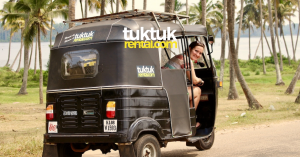
If you’re driving your own tuk tuk around Cambodia, Battambang is a dream stop. The roads into town weave through rice paddies, tiny villages, and palm trees, giving you that open-road freedom. Once you arrive, everything feels just the right size. Big enough to explore, small enough to feel personal.
You can park your tuk tuk by the riverside while you wander the colonial streets, then hop back in to head out to the bat cave, the bamboo train, or temples scattered in the countryside. The pace is calm, the distances are manageable, and the scenery is constantly changing from fields to hills to charming urban corners.
Battambang offers adventure without chaos, culture without crowds, and creativity without pretension. You get powerful history at Phnom Sampov, playful thrills on the bamboo train, moving performances and stories through Phare, and a town covered in art and good food.
When you’re planning your Cambodia route, make room for Battambang. It’s not just another stop, it’s where your tuk tuk adventure slows down just enough for you to connect with the real heart of the country, one bat-filled sunset and mural-lined street at a time.